
With long-term drinking over many days, the after-effects also set in. Hangovers produce miserable symptoms like headaches, nausea, dizziness, fatigue, increased sensitivity to light and sound, disrupted sleep, and body what does it feel like to be tipsy aches. Neurotransmitters like dopamine and endorphins are released, creating a mild buzz. People who are tipsy often feel more sociable, lively, and uninhibited.
Getting Drunk Without Drinking
Being drunk means the effects of alcohol are much stronger, and you may have impaired motor skills, judgment, and coordination. To recognize signs of alcohol intoxication, it’s crucial to be observant and familiar with these physical cues. However, it’s important to remember that the presence of these signs does not necessarily mean someone is intoxicated.
How Alcohol Affects Motor Skills and Balance
If you or a loved one are experiencing these symptoms, it’s important to reach out to a healthcare professional or addiction specialist for help. The rate at which alcohol is consumed can significantly impact intoxication levels. When alcohol is consumed rapidly, the body may not have enough time to metabolize it effectively, leading to a higher BAC Sobriety and a more pronounced level of intoxication. On the other hand, spacing out alcohol consumption allows the body to process and eliminate alcohol gradually, resulting in a lower BAC and a milder level of intoxication.

Understanding the Difference Between Being Drunk vs Tipsy
A high BAC can increase the risk of asphyxiation if a person vomits and does not have enough intact reflexes to clear their own airway. It takes about 1 hour for the average adult to process one unit of alcohol, which is 10 milliliters (ml) or 8 grams. An estimated 84% of adults in the United States ages 18 years and older have consumed alcohol. Muscle relaxers relieve pain, spasms, and stiffness by calming nerve activity in the brain and spinal cord. Alcohol can elevate your mood, making you feel more cheerful and sociable.
A person will enter the euphoric stage of intoxication after consuming 2 to 3 drinks as a man or 1 to 2 drinks as a woman, in an hour. When someone is under the influence of alcohol, it can have a significant impact on their cognitive abilities. The cognitive signs of being drunk can manifest in various ways, including poor memory and concentration, confusion and disorientation, and slow reaction time. Remember, alcohol affects individuals differently, and the signs of being drunk can vary. If you or someone you know is struggling with alcohol addiction, it’s crucial to seek professional help and support.
- They may become more emotional, exhibiting exaggerated feelings of happiness, sadness, or anger.
- People who spend a lot of energy controlling their impulses drink in order to let themselves go.
- Being tipsy refers to the early stages of alcohol intoxication when someone begins feeling the effects of alcohol but does not become fully drunk.
- Ensure they are in a safe environment, monitor their breathing and consciousness levels, and seek medical help if their condition seems to worsen.
- This can make individuals feel more outgoing and willing to engage in conversations and activities they might normally avoid.
What is a standard drink?
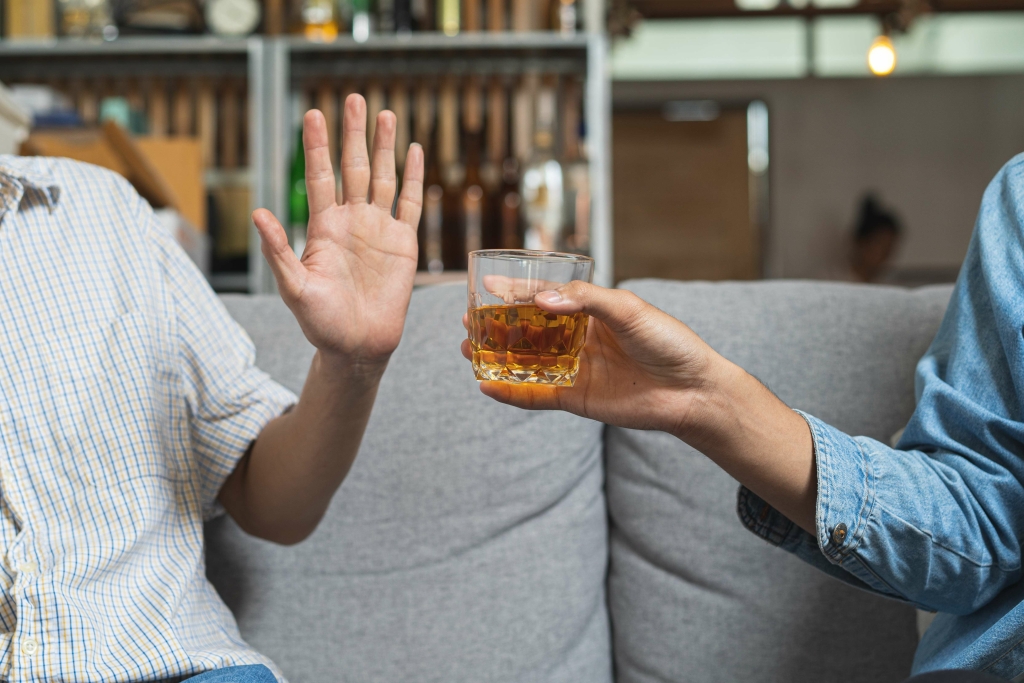
It’s important to remember these key differences and keep them in context of our drinking goals. Whether you’re tipsy, drunk, or somewhere in between, you are in control of your own life. With support, encouragement, and a focus on mindfulness, we can take control of our drinking habits and be the person we want to be. You’re at a friend’s dinner party enjoying a light cocktail when you start to feel a pleasant buzz. Conversations seem more engaging, and you feel happier and more relaxed. But as the evening rolls on and the drinks keep coming, you start to feel heavy.